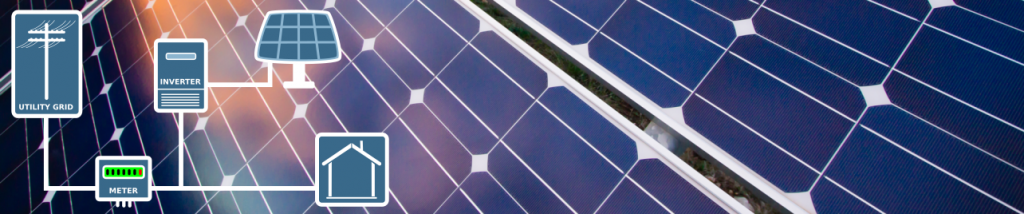
The most efficient and cost-effective method of energy cost savings is through the use of grid-tied PV systems. Using industry standards, we assist in the engineering and design of grid-tied solar PV systems.
Two-Tier Project Approach
A two-tier approach to sizing a grid-tied PV system is used.
- Firstly, a concept design is done using the customer’s actual electricity accounts whereby an estimated cost for the concept is presented. This concept design is meant to give the customer an indication of costs for the proposed plant.
- Secondly, on approval of the concept design and estimated costs, a complete needs analysis is done using a data logger. The customer is presented with a report and analysis of their energy usage and power quality. This analysis is then used to finalise the design and costs.
Concept Design & Budget Costing
A concept design is meant to assist the customer in their decision on whether to go ahead with a full PV project or not. The concept is based on the customer’s energy estimates from actual electricity accounts and an estimated daytime load percentage value. A concept PV plant sizing and costing is done from this estimated energy consumption.
Needs Analysis & PV Plant Design
Once the customer is happy with the concept design and costs, the project will commence with a needs analysis. Utilising the data from the needs analysis report, the PV plant is usually designed to supply the customer’s actual daytime energy consumption where grid feed-in is not permitted. A grid export power manager is used to manage the power that may be fed back to the grid.
In cases where diesel gensets are also used, a generator integration can be done to allow for fuel saving and keeping the generator running safely.